
Tuesday, February 13, 2007
National Pollinator Week
Pollinators are responsible for one third of the food we eat. Most fruits and vegetables have to be pollinated so that they can produce seeds. Also coffee, tea and chocolate need the services of pollinators.


Thursday, June 08, 2006
Inkberry pollination
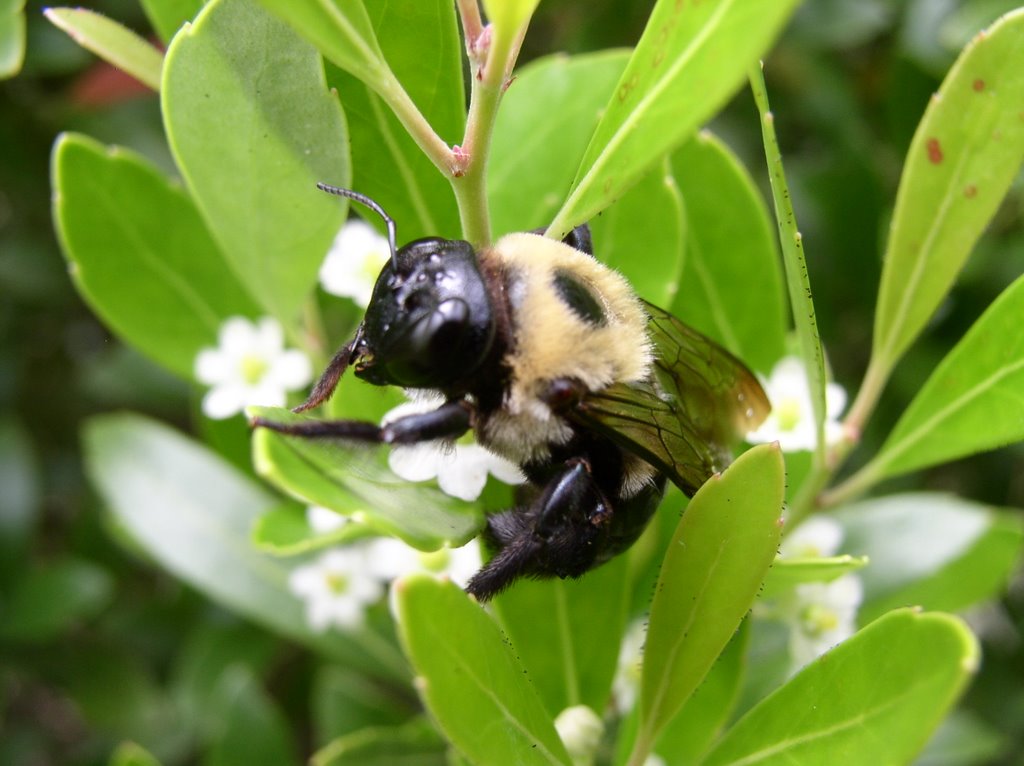
 Different flowers have different strategies for pollination. It is interesting to observe them and try to elucidate the interaction between flower and insect in the case of insect pollinated flowers. The small tree or shrub, inkberry (Ilex glabra), a relative of hollies, has numerous small flowers that attract a large number and variety of insects.
The name refers to the inky dark berries
 I have observed insects of at least twenty five species visiting its flowers, among them: bees and bumblebees, several kinds of wasps, flies, butterflies and moths and also some beetles. Here are a few examples:


Tuesday, April 04, 2006
Maple flowers
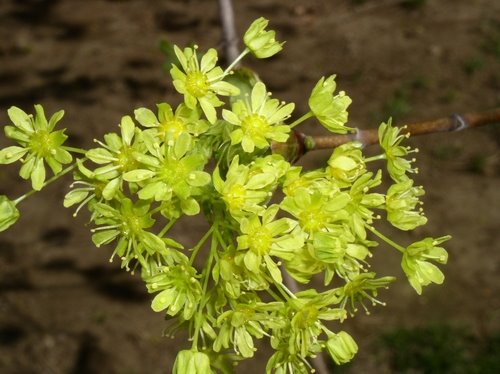
Are maples pollinated by the wind or by insects? It seem that some species use one method and some the other. Their flowers are rather insignificant, at least to our eyes, but it is possible that insects see them differently; anyways sugar maple seems to be one that receives numerous visits from hungry bees that can't find much food so early in the season. Look at the flower, it is greenish yellow, very small, although by growing in clusters, they become more conspicuous and attractive to visitors, and they have some shiny, glistening fluid on the surface, touch it with the tip of your tongue and you'll feel a very tiny taste of maple syrup. Yes, that would make them very attractive to bees.
Flowers schedule

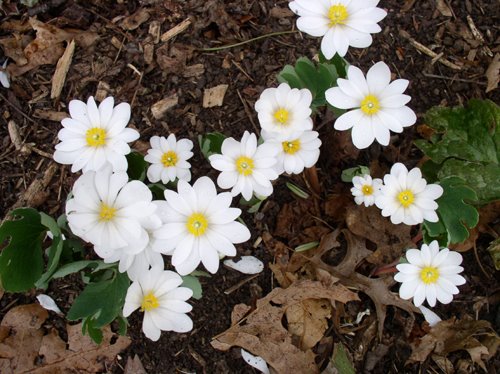
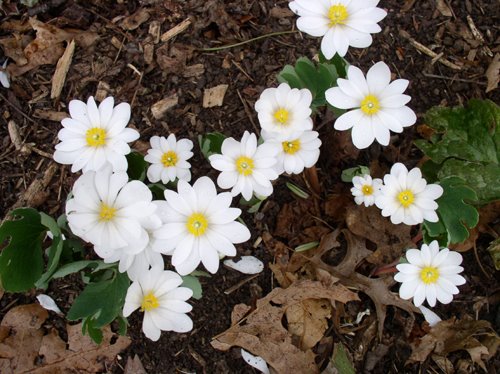
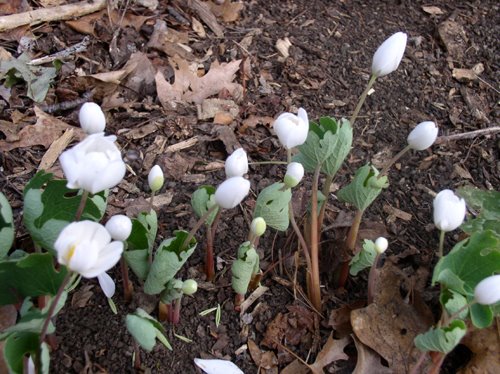
Some flowers are strongly influenced by the light and open or shut accordingly, others stay on schedule regardless of how cloudy and dark it is. This seems to be the case with bloodroot, Sanguinaria. These two pictures of the same clump of flowers were taken two hours apart, at 7:30 and 9:30 AM EST on a very cloudy day.
Sunday, February 12, 2006
Wednesday, February 08, 2006




Thursday, December 22, 2005
ASCLEPIAS OR MILKWEED. Its Many Visitors
Plants of the genus Asclepias, better known as milkweeds because of its white, sticky sap, attract a huge variety of insects and other creatures. Its most famous resident is the monarch butterfly that depends on milkweeds for nutrition; but it is not the only one. Here is a small sample of the menagerie that you can find on a single plant of Asclepias.

Milkweed beetle, Tetraopes tetrophthalmus (the four-eyed one)
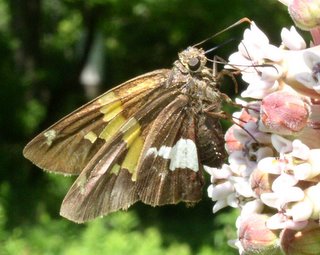
Silver spotted skipper
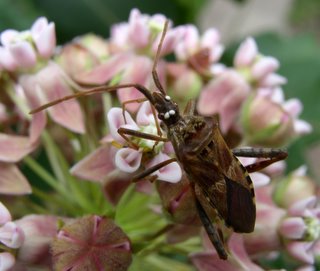
Leaf-footed bug, with eggs of a parasitic fly on top of its head

Lady bug in search of aphids.
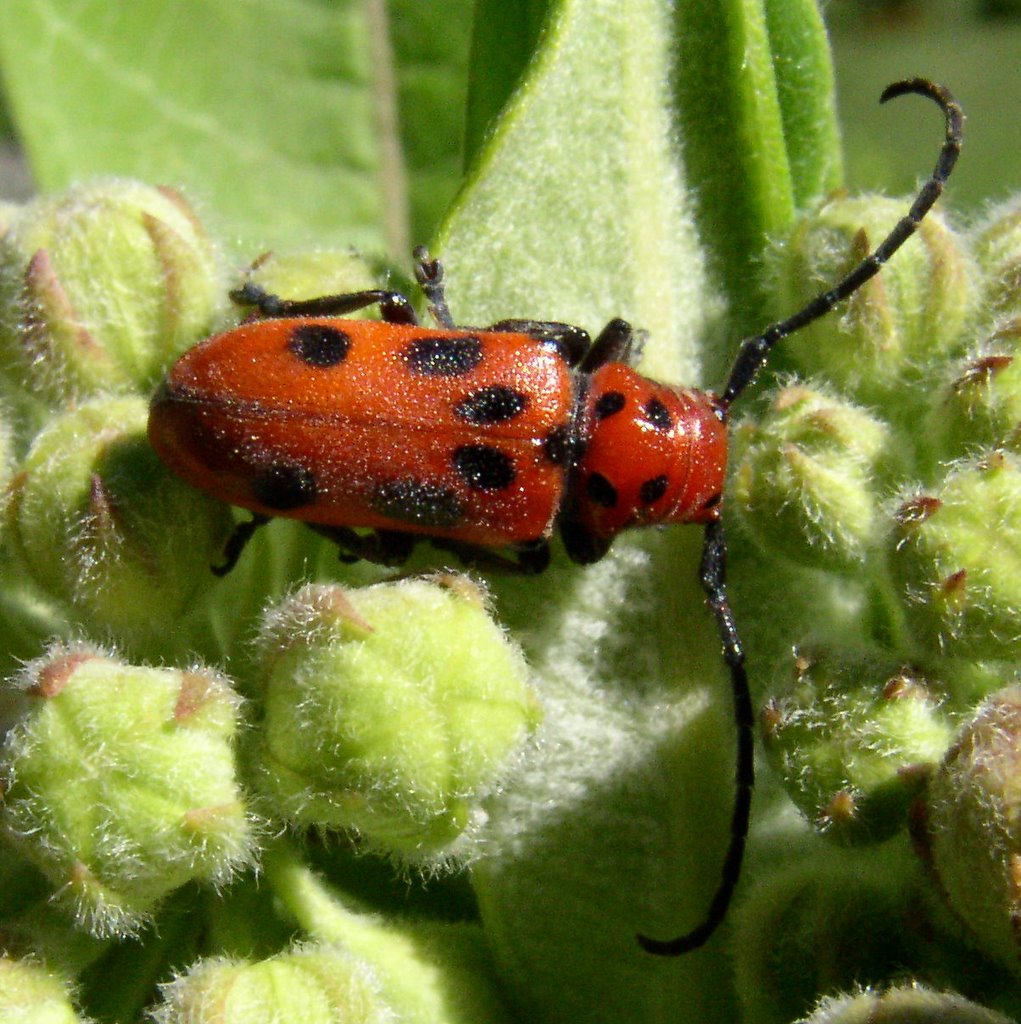
Milkweed beetle, Tetraopes tetrophthalmus (the four-eyed one)

Silver spotted skipper
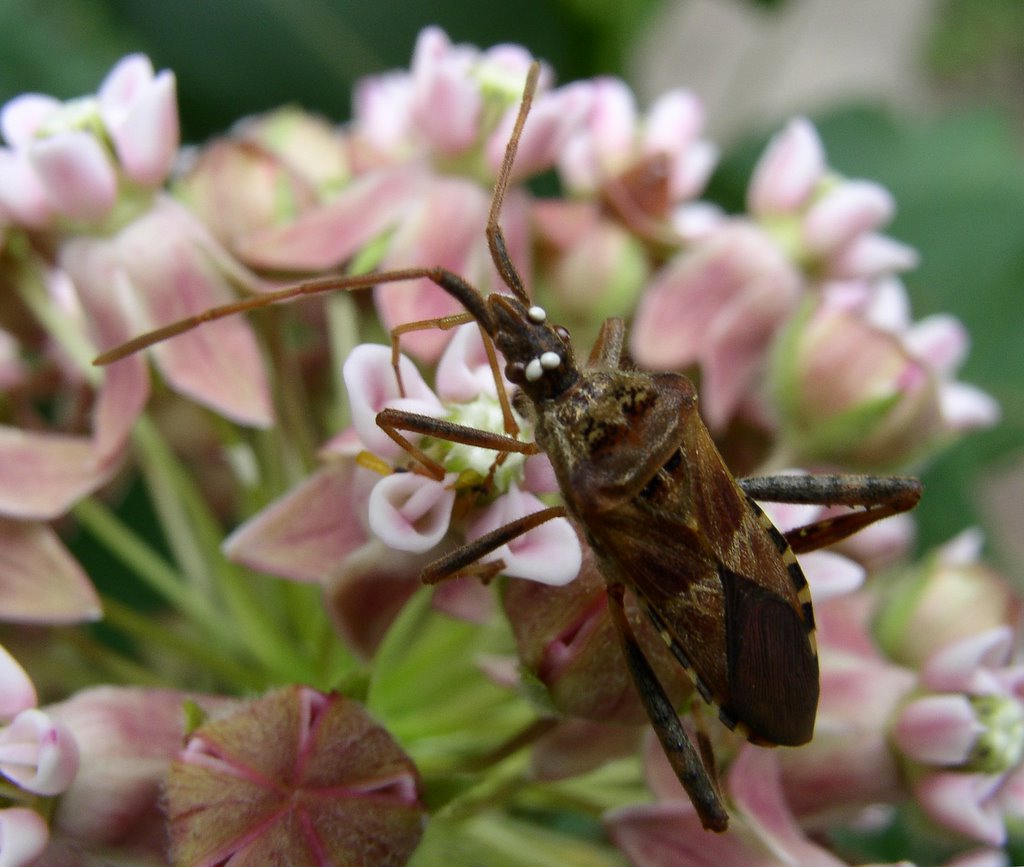
Leaf-footed bug, with eggs of a parasitic fly on top of its head
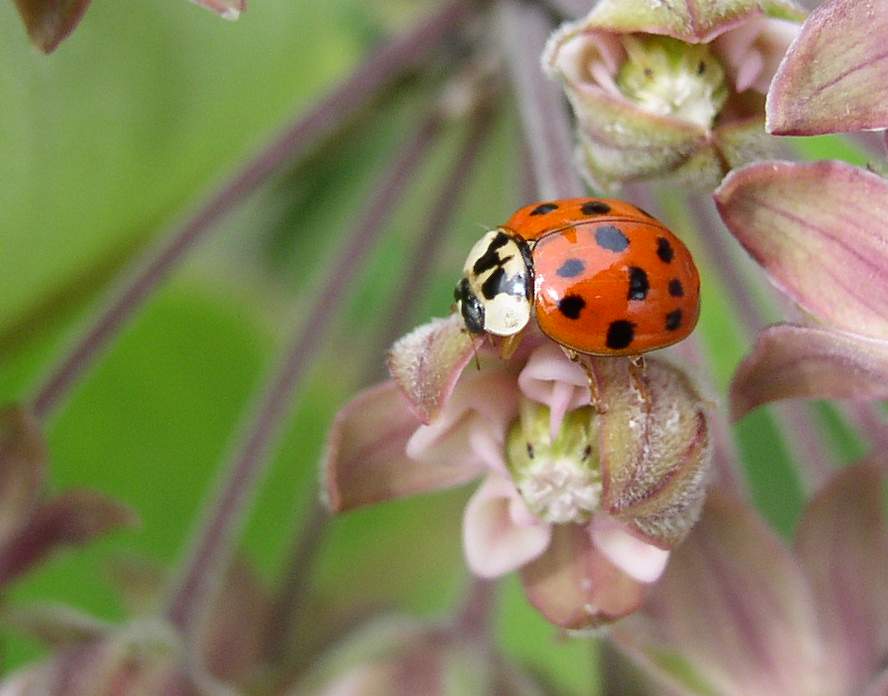
Lady bug in search of aphids.
Friday, October 07, 2005
Flower flies
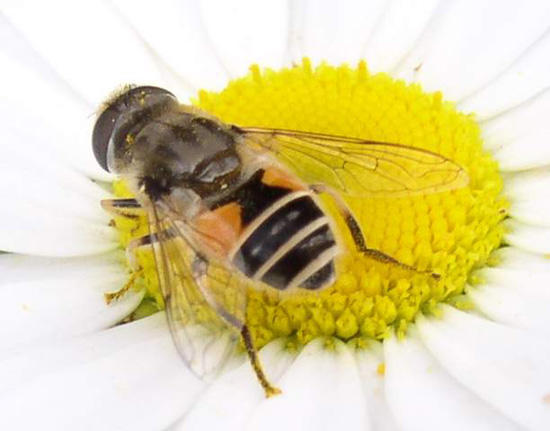
Flower flies, those tiny imitators, don’t look at all like the familiar house fly, instead they look like bees; with a disguise of yellow and black stripes.
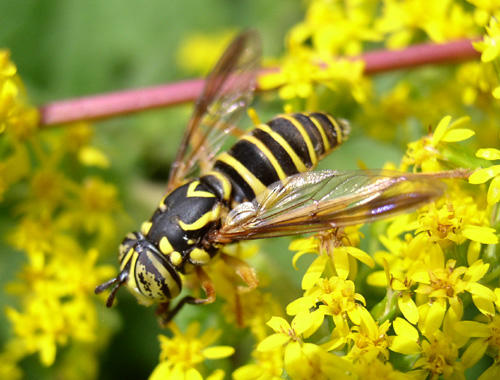
They fool birds that avoid them for fear of being stung although they are innocuous.
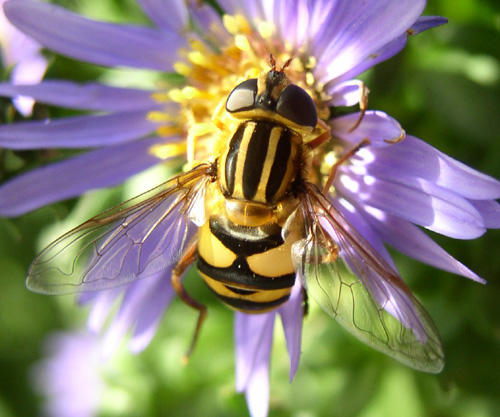
Like the bees they imitate, many of them are good pollinators. Who would have thought that flies could be so pretty and so useful!

Some of them go a step further on their usefulness and eat a large number of aphids while they are larvae. Here
Sunday, September 04, 2005
Hummingbird Moth
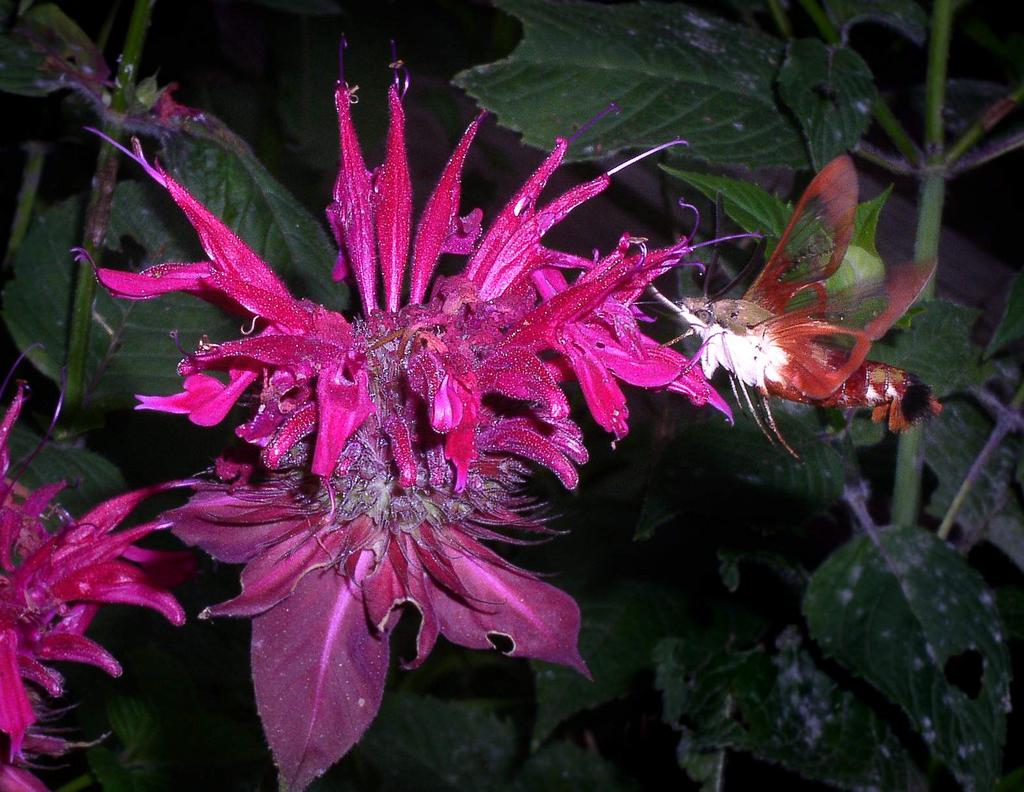
Don't let this little beauty fool you. It is not a tiny hummingbird, but a hawk moth. Not surprisingly it is called hummingbird moth. It is one of the few moths that are active during the day. It pollinates long throated flowers like this Monarda.
Lapachos of Cordoba, Argentina
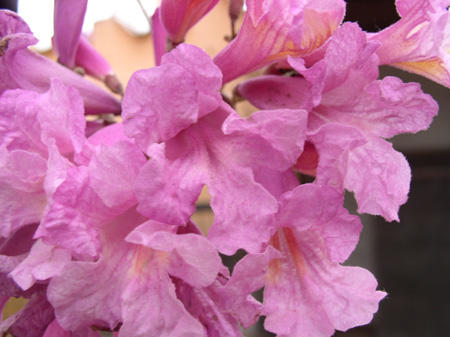
Bignoniaceae. A sea of flowers and it isn't spring yet, this is the end of August in Cordoba, Argentina. The weather is mild and some trees, such as these lapachos, cover themselves with flowers.

Subscribe to:
Posts (Atom)